
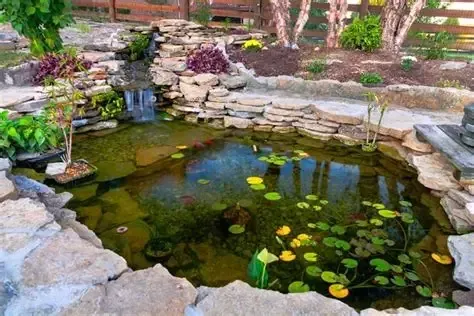
Aquatic Vegetation Control Solutions for Cold Springs Ponds & Surrounding Areas
Managing aquatic vegetation is crucial for maintaining healthy ponds and lakes. Homeowners and property managers in Cold Springs, as well as nearby areas such as Maplewood, Greenfield, Pine Creek, and Lakeview, often face challenges with overgrown plants that affect water quality and recreational use. Below, we explore common questions about aquatic vegetation control to help property owners maintain vibrant and functional ponds.
What is aquatic vegetation, and why should it be controlled in Cold Springs ponds?
Aquatic vegetation includes plants such as algae, cattails, and water lilies that grow in ponds and lakes. While some vegetation is beneficial for supporting wildlife and maintaining a balanced ecosystem, excessive growth can lead to oxygen depletion, clogged waterways, and reduced recreational opportunities. In Cold Springs and the surrounding areas, controlling these plants helps ensure a healthy pond ecosystem while enhancing the visual appeal of the property.
What are the common types of aquatic vegetation in Cold Springs ponds?
Ponds in Cold Springs and nearby towns like Greenfield and Pine Creek often experience growth of algae, submerged plants, and floating vegetation. Each type of vegetation has unique characteristics and impacts, and they require different strategies to control. Understanding the type of plants present is essential for maintaining water quality and protecting wildlife habitats.
How does mechanical removal help control aquatic vegetation?
Mechanical removal involves using tools or machinery to physically remove plants from the pond. This method is effective for quickly reducing plant overgrowth, particularly for larger or more visible plants. In Cold Springs and surrounding towns such as Maplewood and Lakeview, mechanical removal is often used in combination with other methods to restore pond balance and prevent recurring problems.
Can chemical treatments be used for vegetation control in Cold Springs ponds?
Chemical treatments involve the application of herbicides specifically designed for aquatic environments. These treatments target unwanted vegetation while minimizing harm to beneficial plants and wildlife. Homeowners in Cold Springs often rely on these solutions to manage algae blooms or fast-spreading invasive plants that mechanical methods alone cannot control.
What role does biological control play in managing pond vegetation?
Biological control uses natural species, such as grass carp, to manage excessive plant growth. These fish consume specific types of aquatic vegetation, helping to maintain a balanced ecosystem. Cold Springs pond owners frequently use this method alongside mechanical or chemical treatments to achieve long-term results without damaging the pond environment.
Are there preventive measures that can reduce vegetation overgrowth in ponds?
Yes, preventive measures such as installing aeration systems or pond liners can help reduce the growth of aquatic vegetation. Proper aeration improves oxygen levels, discourages excessive algae growth, and supports fish and other wildlife. These measures are widely used in Cold Springs and neighboring towns like Pine Creek and Greenfield to maintain healthy ponds year-round.
How can Cold Springs pond owners choose the right vegetation control solution?
Choosing the most suitable control method depends on factors such as the type of vegetation, the size of the pond, and environmental considerations. Consulting with professionals who understand local pond ecosystems and regulations is highly recommended. In most cases, combining mechanical, chemical, and biological approaches provides the most effective and sustainable results for Cold Springs and surrounding areas.
What are the benefits of controlling aquatic vegetation in Cold Springs ponds?
Proper vegetation management offers several benefits, including improved water quality and clarity, enhanced recreational opportunities like fishing, swimming, and boating, reduced mosquito breeding, and the protection of fish and wildlife habitats. Homeowners in Cold Springs, Maplewood, and Pine Creek can enjoy healthier, more attractive ponds by implementing effective control strategies.
Are there regulations that Cold Springs pond owners must follow?
Yes, Cold Springs and the surrounding areas have regulations governing the use of herbicides, biological agents, and other control methods. Property owners must adhere to local environmental guidelines to ensure that treatments are safe for wildlife, water quality, and the overall ecosystem. Professional consultation is often recommended to comply with these rules effectively.
How often should ponds in Cold Springs be maintained for vegetation control?
Regular monitoring and maintenance are essential to prevent overgrowth and maintain water quality. Depending on the type of vegetation and the pond’s conditions, Cold Springs ponds may require seasonal or annual management. Consistent care prevents costly emergency interventions and ensures that the pond remains safe and enjoyable for residents and wildlife.
Final Thoughts
Aquatic vegetation control is vital for maintaining the health, beauty, and functionality of ponds in Cold Springs and surrounding towns. By understanding the types of vegetation, using the right combination of control methods, and following local regulations, property owners can sustain thriving pond ecosystems and enjoy their water features throughout the year.
Can I manage pond vegetation myself in Cold Springs?
Yes, some basic maintenance like removing floating debris or using pond rakes can be done by homeowners, but professional guidance is recommended for large infestations or chemical treatments.
Are aquatic herbicides safe for fish and wildlife in Cold Springs ponds?
When used according to regulations and instructions, aquatic herbicides are generally safe for fish and wildlife. Consulting professionals ensures proper application and minimizes risks.
How quickly can mechanical removal improve pond conditions?
Mechanical removal can provide immediate visual improvement by clearing overgrown plants, but long-term management may require additional methods to prevent regrowth.
Do all ponds in Cold Springs require biological control?
Not all ponds need biological control. It is most effective for ponds with recurring invasive plant growth, and the use of fish like grass carp should be carefully monitored.
What is the best season to manage aquatic vegetation in Cold Springs ponds?
Late spring and early summer are ideal for vegetation control because plants are actively growing. However, maintenance may be required throughout the year depending on the pond conditions.