
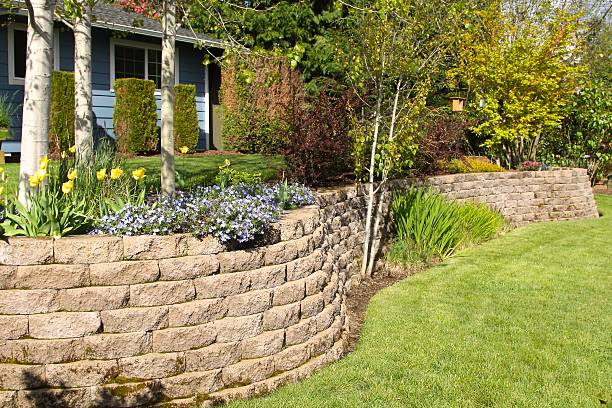
Essential Maintenance Tips for Your Retaining Wall in Huntsville Texas and Surrounding Areas
Retaining walls are vital for managing soil erosion, landscaping, and structural support in homes and commercial properties in Huntsville Texas and surrounding areas. Proper maintenance ensures these walls remain stable, safe, and visually appealing. Regular inspections, timely repairs, and preventive care help extend the lifespan of your retaining wall while protecting your property from potential soil or water damage. Understanding key maintenance tips allows property owners to preserve both the functionality and aesthetic appeal of their retaining walls.
Why Is Regular Inspection Important for Retaining Walls in Surrounding Areas?
Regular inspections are the first step in retaining wall maintenance. They help identify cracks, shifting, erosion, or water damage early before problems worsen. Inspecting the wall in surrounding areas after heavy rainfall, storms, or freeze-thaw cycles is especially important. By catching minor issues early, homeowners can prevent costly repairs and maintain the structural integrity of the wall.
How Can You Prevent Water Damage to Retaining Walls in Surrounding Areas?
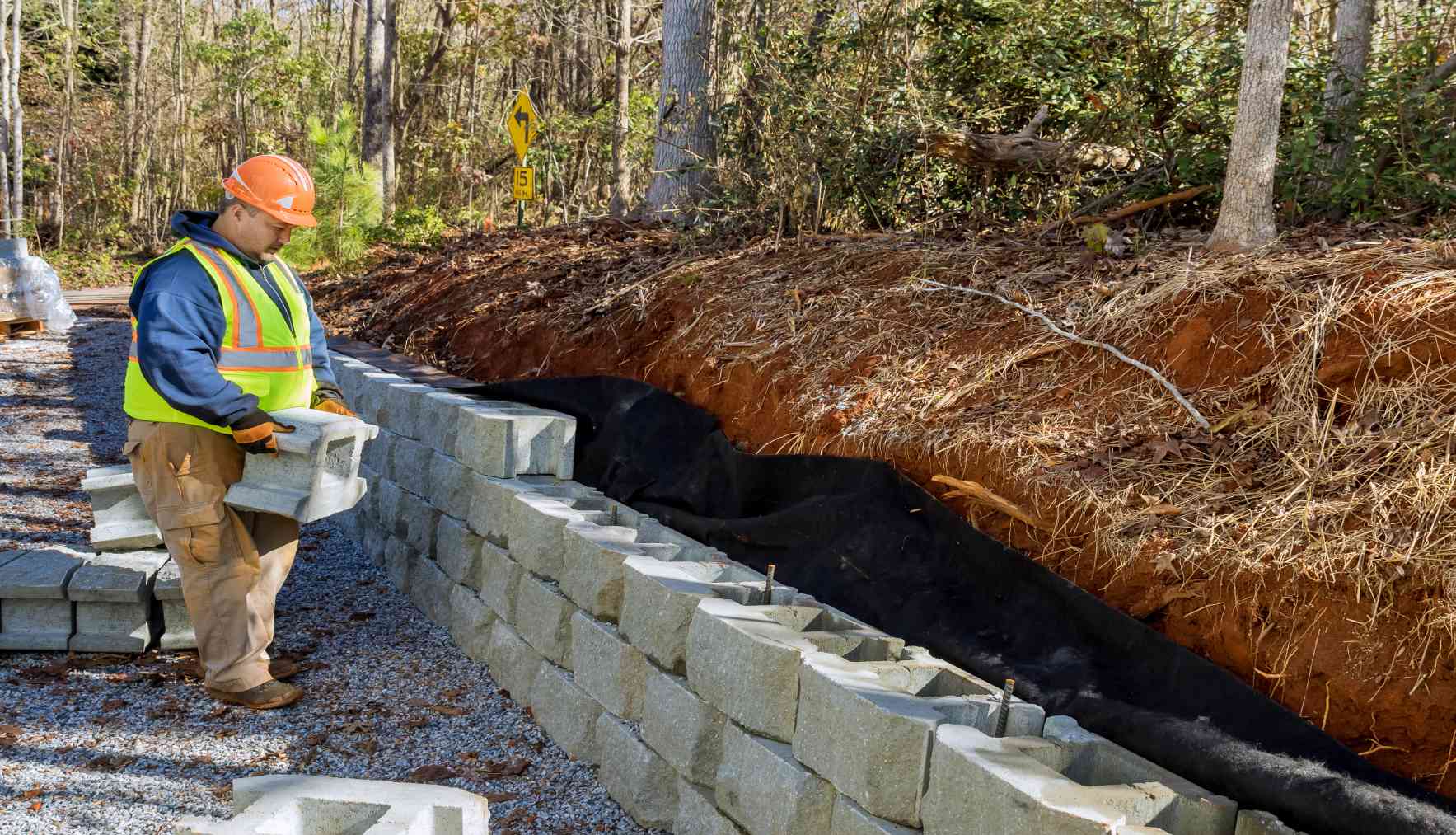
Proper drainage is crucial for the longevity of retaining walls. Ensure that water does not pool behind or around the wall by keeping drainage pipes clear and maintaining a slight slope to divert water away from the wall. Installing gravel backfill and perforated drainage pipes can reduce hydrostatic pressure and prevent water-related damage. Regularly clearing leaves, debris, and soil build-up in surrounding areas is also recommended to maintain optimal water flow.
What Are the Signs of Soil Erosion Near Retaining Walls in Surrounding Areas?
Signs of soil erosion include exposed roots, uneven ground near the wall, gaps between the wall and soil, or leaning wall sections. Soil erosion can compromise the structural stability of the wall if not addressed promptly. Observing the surrounding landscape for changes after storms or seasonal shifts is critical for early intervention.
How Often Should You Clean Your Retaining Wall in Surrounding Areas?
Cleaning your retaining wall helps prevent mold, algae, and debris accumulation. Use a mild detergent and water to remove surface dirt, moss, or mildew. Power washing can also be used for stone or concrete walls but should be done carefully to avoid damaging mortar or surfaces. Cleaning at least twice a year, and more often in humid or rainy conditions, helps maintain the wall’s appearance and durability.
When Should Repairs Be Performed on Retaining Walls in Surrounding Areas?
Repairs should be done as soon as cracks, leaning sections, or loose stones are observed. Ignoring minor damages can lead to more extensive structural problems. For wooden retaining walls, watch for rot, decay, or insect damage. Timely repairs preserve the wall’s structural integrity and prevent soil movement or collapse.
How Does Vegetation Affect Retaining Wall Maintenance in Surrounding Areas?
Plants and trees can both enhance and challenge retaining walls. While some landscaping plants can help prevent erosion, aggressive roots from large trees may disrupt the wall’s structure. Maintaining a balance by planting shallow-rooted shrubs and keeping larger trees at a safe distance ensures the wall remains stable while benefiting from natural landscaping.
What Materials Require Special Attention in Retaining Wall Maintenance?
Different retaining wall materials—such as concrete, stone, brick, or timber—require specialized maintenance. Wooden walls may need sealing and protection against moisture and insects, while stone or concrete walls should be monitored for cracks and mortar deterioration. Understanding your wall’s material helps implement the most effective maintenance practices in surrounding areas.
How Does Seasonal Weather Affect Retaining Wall Care in Surrounding Areas?
Seasonal weather changes, including heavy rain, frost, and heat, can stress retaining walls. Winter freeze-thaw cycles may cause cracks or shifting in masonry walls, while summer heat can dry out soil behind wooden walls, causing pressure imbalances. Adjusting maintenance routines according to seasonal conditions ensures walls remain resilient year-round.
Why Is Proper Drainage Critical for Retaining Wall Longevity?
Poor drainage behind a retaining wall increases hydrostatic pressure, which can push against the wall and cause cracks, leaning, or collapse. Installing weep holes, drainage pipes, or gravel backfill allows water to escape efficiently. Checking these drainage systems regularly ensures long-term wall stability in surrounding areas.
How Can Homeowners Extend the Lifespan of Retaining Walls in Surrounding Areas?
Consistent inspections, prompt repairs, proper drainage, controlled vegetation, and seasonal care are key to extending wall lifespan. Investing in professional assessments every few years can help detect hidden structural issues early. Following these maintenance tips ensures retaining walls remain both functional and visually appealing for decades.
Final Thoughts
Proper maintenance of retaining walls in Huntsville Texas and surrounding areas is essential for safety, aesthetics, and long-term durability. Regular inspections, proper drainage, timely repairs, vegetation management, and material-specific care all contribute to the stability and functionality of your wall. By following these essential maintenance tips, property owners can protect their investment, prevent costly damages, and ensure their retaining walls continue to serve both practical and decorative purposes for years to come.
How often should I inspect my retaining wall?
Inspect your wall at least twice a year and after major storms or extreme weather.
Can retaining walls be repaired on my own?
Minor repairs like small cracks or loose stones can be DIY, but major structural issues should be handled by professionals.
Do plants harm retaining walls?
Large tree roots can destabilize walls, while shallow-rooted shrubs typically support soil retention.
How do I prevent water damage to a retaining wall?
Ensure proper drainage behind the wall using pipes, gravel backfill, and sloped soil away from the wall.
When should a retaining wall be replaced entirely?
If the wall is leaning severely, collapsing, or has extensive structural damage, replacement is often safer than repair.