
How to Reduce Soil Erosion in Magnolia, TX & Surrounding Areas
Soil erosion is a common issue for homeowners and property managers in Magnolia, TX, and nearby towns such as Tomball, Cypress, The Woodlands, Conroe, and Spring. Proper erosion control not only protects your land but also prevents property damage, preserves landscaping, and maintains healthy soil for gardening or agriculture. Understanding practical methods and professional solutions can help you safeguard your property effectively.
What Causes Soil Erosion in Magnolia and Surrounding Areas?
Soil erosion can result from heavy rainfall, improper land grading, deforestation, and poor landscaping practices. In Magnolia and nearby communities like Tomball and Spring, seasonal storms and fast-flowing water often wash away topsoil. Construction projects without proper erosion control can also contribute to significant soil loss, leading to property instability and damage to nearby vegetation.
How Can Mulching Help Prevent Soil Erosion?
Mulching is a simple and effective method to reduce soil erosion. Applying mulch over exposed soil in Magnolia, Cypress, and The Woodlands areas helps retain moisture, slows water runoff, and protects the topsoil from wind and rain. Organic mulches like wood chips or straw also improve soil health over time, providing nutrients that support healthy landscaping and prevent further erosion.
What Role Do Plants and Ground Cover Play?
Vegetation is one of the most natural ways to prevent erosion. Trees, shrubs, and grasses stabilize soil with their root systems. Homeowners in Conroe, Magnolia, and surrounding areas can plant native species that thrive locally, reduce water runoff, and hold the soil together. Ground cover plants are especially useful on slopes or embankments to prevent soil displacement during heavy rains.
How Can Retaining Walls Help Control Erosion?
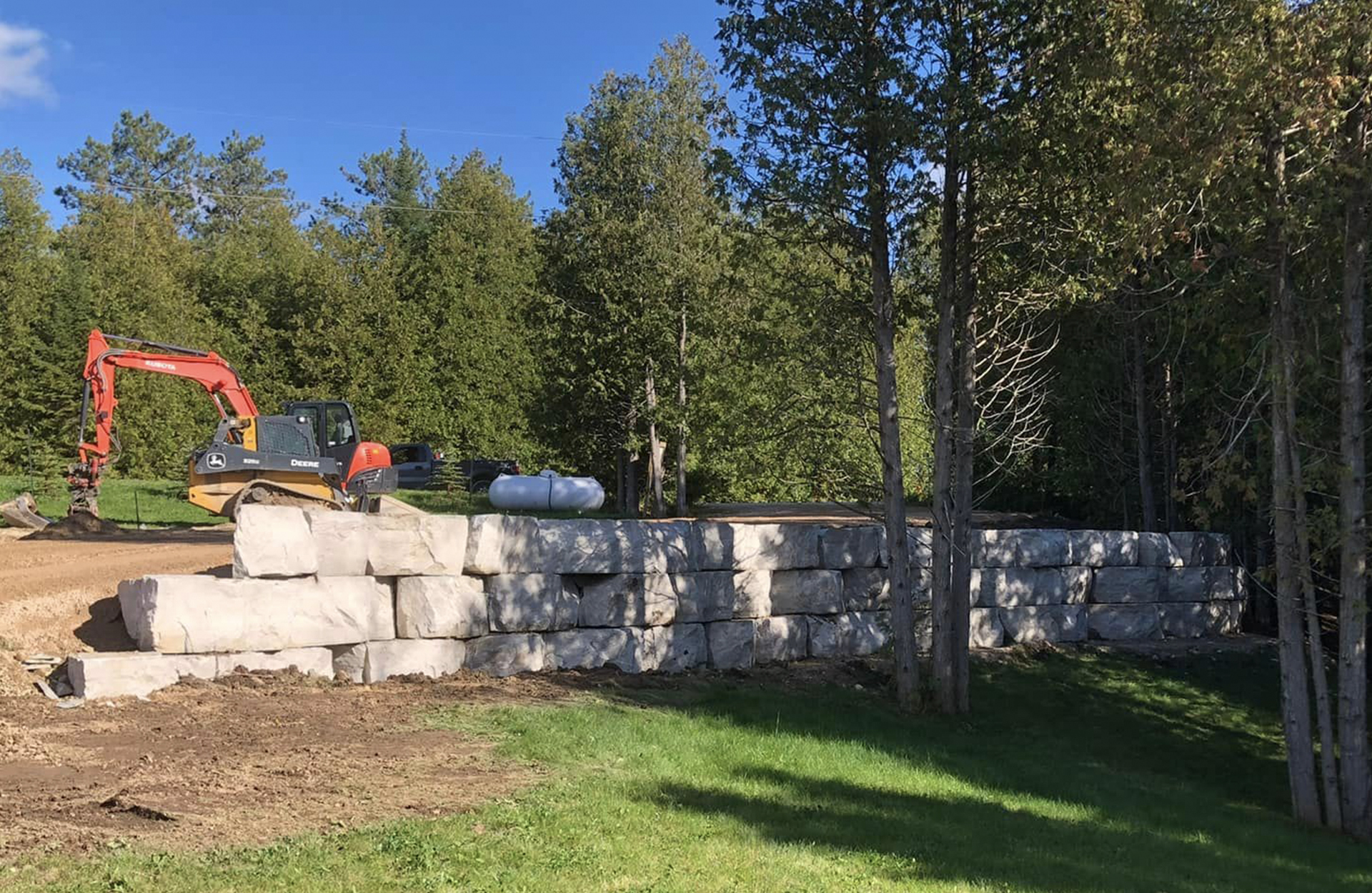
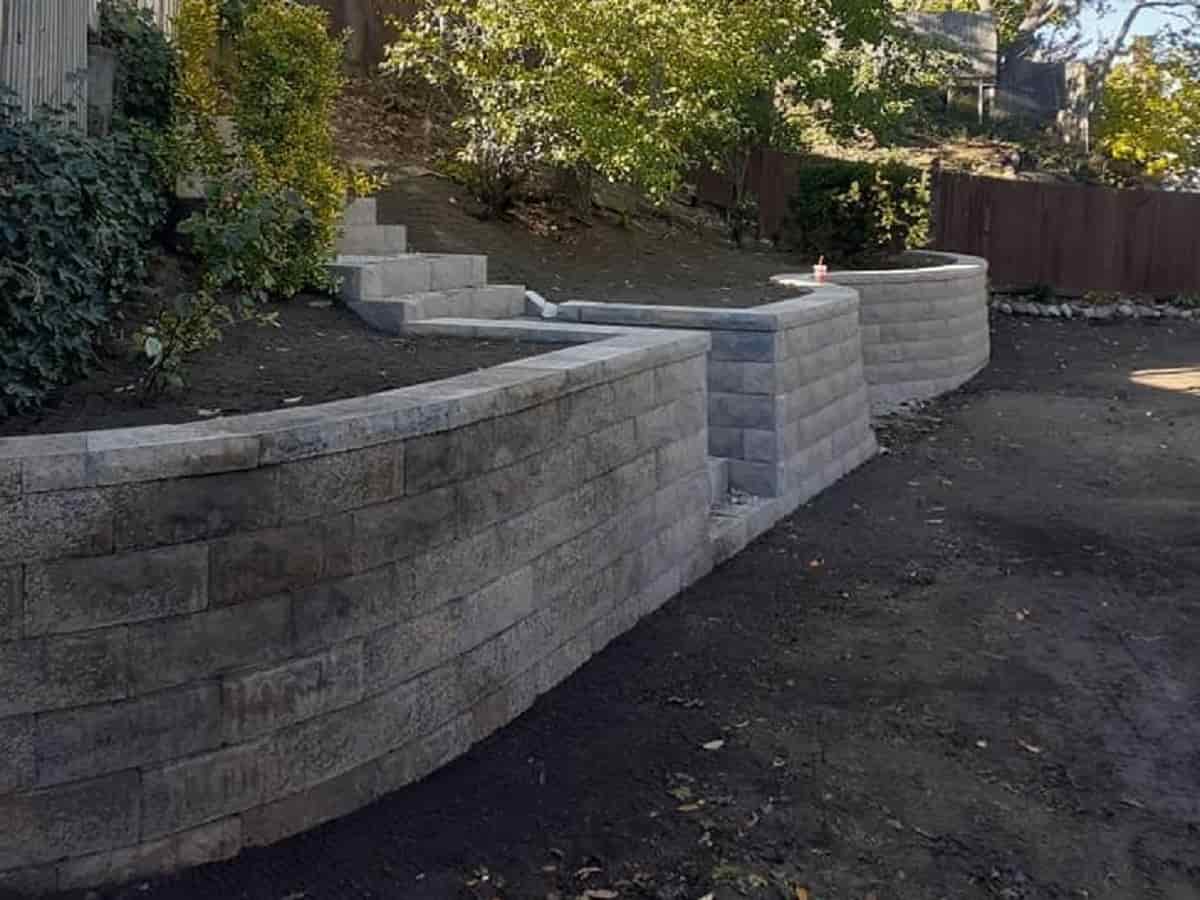
Retaining walls are an effective structural solution for areas with slopes or uneven terrain. Installing retaining walls in Magnolia, Spring, or Tomball can reduce the speed of water runoff, hold soil in place, and protect property foundations. Combined with proper drainage systems, retaining walls help maintain the integrity of your landscape and prevent soil from washing away during storms.
What is the Importance of Proper Drainage?
Proper drainage systems are essential to control water flow and prevent soil erosion. In areas like Cypress, The Woodlands, and Magnolia, installing French drains, swales, or other drainage solutions ensures that heavy rainfall is directed away from vulnerable areas. This reduces the risk of water pooling, which can erode soil and damage landscaping.
Can Landscaping Design Reduce Soil Erosion?
Yes, thoughtful landscaping design can significantly reduce erosion risks. Terracing, contour planting, and using natural barriers like rocks or logs in Magnolia, Conroe, and surrounding towns help slow water movement and protect soil. Professional landscaping services often combine these techniques to create both functional and aesthetically pleasing outdoor spaces.
How Do Rain Gardens Help Prevent Erosion?
Rain gardens capture and absorb runoff water before it flows over the land, reducing soil erosion. Homeowners in Tomball, Spring, and Magnolia can install rain gardens in low-lying areas to manage stormwater effectively. These gardens also support local biodiversity by providing habitats for plants and pollinators, while protecting topsoil from washing away.
Are Erosion Control Blankets Effective?
Erosion control blankets are particularly useful for newly graded or disturbed soil. In Magnolia and nearby areas, these biodegradable mats protect soil from wind and rain while vegetation establishes itself. They are often used on slopes, construction sites, or areas recovering from heavy rainfall to prevent immediate soil loss.
How Can Regular Maintenance Reduce Erosion?
Routine maintenance, such as clearing clogged drains, repairing damaged retaining walls, and inspecting slopes, helps prevent soil erosion in Magnolia, Cypress, and Conroe. Monitoring your property regularly allows you to address small erosion problems before they become larger issues, protecting both landscaping and property value.
When Should You Hire Professional Erosion Control Services?
Professional erosion control services are recommended for large properties, severe slopes, or areas with persistent runoff problems. Experts in Magnolia, The Woodlands, and Tomball assess your land, recommend customized solutions, and implement erosion prevention techniques that are both long-lasting and effective.
Final Thoughts
Reducing soil erosion in Magnolia, TX, and surrounding areas requires a combination of natural solutions, structural measures, and professional expertise. Implementing proper drainage, planting vegetation, using mulch, and installing retaining walls can significantly protect your property from soil loss. Regular maintenance and proactive planning ensure long-term stability, healthier landscaping, and a safer environment for your home or business.
What is the best plant type to prevent erosion in Magnolia?
Native grasses, shrubs, and trees with deep root systems are most effective in stabilizing soil and reducing runoff in Magnolia and nearby towns.
How often should I inspect my property for erosion?
Property inspections should be conducted after heavy rainfall or seasonally to identify and address any developing erosion issues before they worsen.
Are rain gardens suitable for small properties?
Yes, rain gardens can be adapted to small yards and still effectively capture runoff while improving soil health and supporting local plants.
Can erosion control blankets be reused?
Most erosion control blankets are biodegradable and designed for one-time use, but some synthetic options may be reused depending on manufacturer guidelines.
Do retaining walls require maintenance?
Yes, retaining walls should be inspected periodically for cracks, water damage, or shifting soil to ensure they continue preventing erosion effectively.